
For over a decade, technology has demanded our constant attention. Buzzing phones. Flashing notifications. Endless scrolling. But in 2026, a new movement is quietly reshaping the digital world — Silent Tech.
Silent Tech represents the rise of “invisible” wearables: devices that blend seamlessly into daily life, removing screens from our hands and even from our sight. Instead of staring at displays, we interact through subtle vibrations, voice whispers, gestures, and ambient intelligence.
And with that shift comes a bold prediction: the slow death of the screen as the center of our digital lives.
What Is Silent Tech?


Silent Tech refers to devices and systems designed to:
Operate without constant visual interaction
Blend into clothing, jewelry, or even the body
Deliver information subtly and contextually
Reduce screen dependency
Unlike smartphones or tablets, Silent Tech prioritizes ambient computing — technology that fades into the background while remaining deeply integrated into your life.
Instead of checking a screen 150 times a day, your device quietly informs you only when truly necessary.
The Shift Away From Screens
For years, innovation meant bigger screens, sharper displays, and more immersive visuals. From smartphones to smartwatches to tablets, everything revolved around pixels.
But now, users are experiencing:
Digital fatigue
Eye strain
Attention fragmentation
Mental burnout from constant notifications
The modern consumer wants less noise — not more features.
This is where Silent Tech enters. The goal is not to show you more. It’s to interrupt you less.
The Rise of Invisible Wearables
Smart Rings: Power in a Band


Smart rings have become one of the most powerful examples of Silent Tech.
Devices like the Oura Ring and the Samsung Galaxy Ring track:
Sleep cycles
Heart rate variability
Stress patterns
Activity levels
All without a visible screen.
You glance at your phone only when you choose to — not when the device demands it.
Smart Glasses: Subtle Augmented Reality
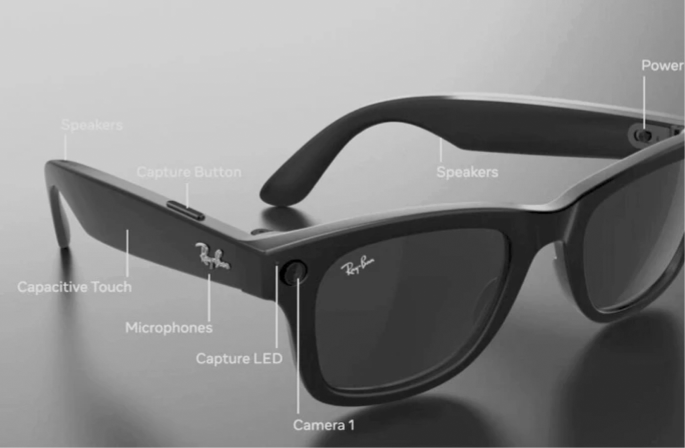


Smart glasses are evolving rapidly. Unlike early bulky designs, new models look almost identical to regular eyewear.
The Ray-Ban Meta smart glasses represent this transition — combining audio, camera capabilities, and voice assistants in stylish frames.
Future versions aim to:
Project navigation hints subtly
Display minimal contextual information
Translate speech in real time
Offer notifications without full visual takeover
The screen isn’t gone — it’s just no longer dominant.
Audio Interfaces & Bone Conduction

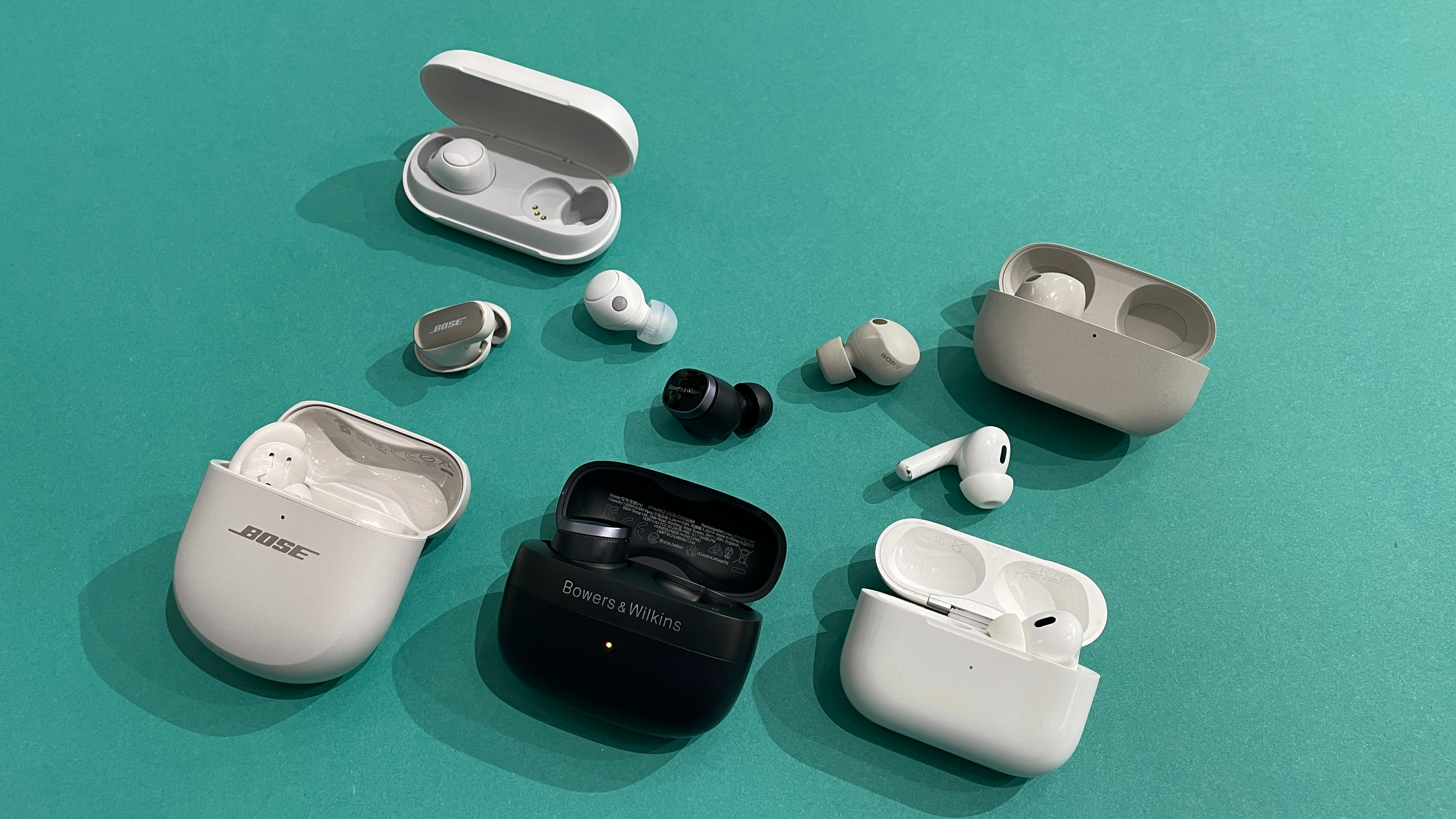
Voice is replacing touch.
Bone-conduction headphones and ultra-discreet earbuds allow users to:
Receive whispered navigation directions
Hear AI summaries of emails
Control devices via voice
Without isolating themselves from the real world.
Audio-based interfaces reduce screen time dramatically, shifting digital interaction into natural conversation.
Smart Clothing: Technology in Fabric



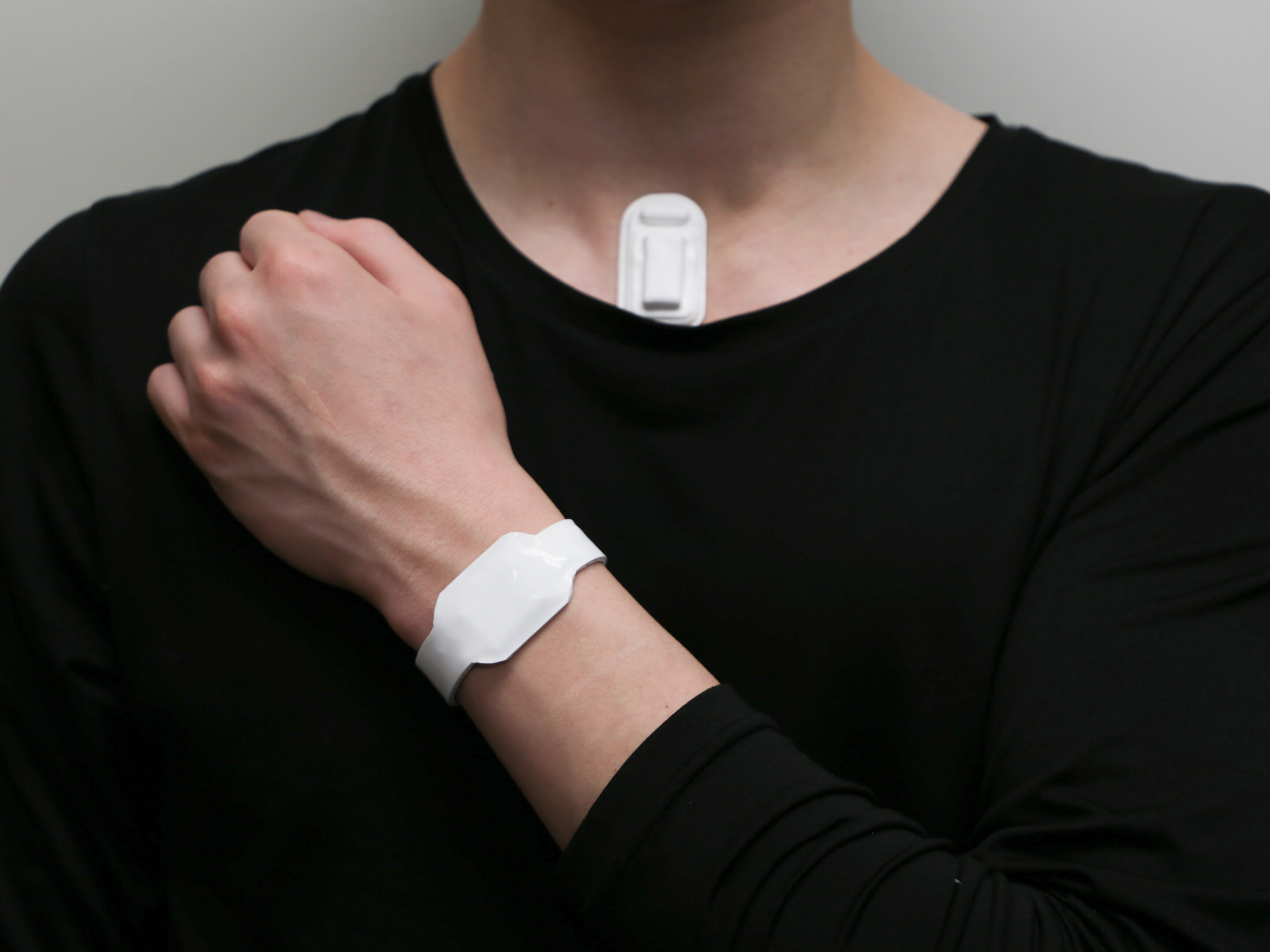
Smart textiles are embedding sensors directly into fabric. These garments can monitor:
Muscle activation
Posture
Body temperature
Hydration levels
No screens. No devices strapped on.
Your clothing becomes the interface.
Why 2026 Is the Tipping Point
Several forces have aligned to make Silent Tech mainstream:
AI Has Become Context-Aware
Modern AI understands urgency. It filters noise and only surfaces relevant information.
Battery & Chip Advancements
Smaller chips with longer battery life make ultra-compact devices practical.
Wellness-Driven Consumers
People want technology that supports mental health — not harms it.
Privacy-First Design
Screenless wearables reduce public exposure of messages and notifications.
The demand is clear: Technology must adapt to humans — not the other way around.
The Psychological Impact: Freedom From the Feed
One of the most powerful effects of Silent Tech is cognitive relief.
Without a glowing screen constantly demanding attention:
Focus improves
Social interactions feel more present
Anxiety from constant updates decreases
Digital boundaries become healthier
This is the “Calm Tech” philosophy — technology that respects your time.
Will Smartphones Really Die?
Not immediately.
The smartphone is evolving into a hub device — a control center that powers your invisible ecosystem.
But daily interaction with it is decreasing.
Instead of:
Unlock → Scroll → Tap → Swipe → Repeat
You get:
Subtle vibration → Quick voice command → Done
The screen becomes optional.
Industries Being Transformed
Silent Tech isn’t just consumer-focused. It’s reshaping:
Healthcare
Continuous, passive monitoring without hospital visits.
Corporate Work
Subtle productivity tools that don’t disrupt meetings.
Education
Assistive AR overlays without distracting screens.
Fitness
Data collected seamlessly without bulky devices.
Challenges Ahead
Despite its promise, Silent Tech faces hurdles:
Privacy concerns around always-on devices
Social etiquette questions (Are smart glasses recording?)
Battery optimization
Accessibility for non-voice users
But innovation is rapidly addressing these issues.
The Death of the Screen — Or Its Reinvention?
Screens won’t vanish entirely.
Instead, they’ll become:
Contextual
Minimal
Optional
The era of staring at a rectangle for 7+ hours a day is fading.
In its place rises a world where:
Jewelry is smart
Glasses whisper
Clothes monitor
AI filters noise
And technology becomes invisible.
Final Thoughts: The Quiet Future Is Here
Silent Tech isn’t about abandoning innovation. It’s about redefining it.
The future of technology is:
Less visible
Less intrusive
More human
In 2026, the most powerful devices aren’t the loudest — they’re the quietest.
And perhaps, for the first time in decades, technology is learning how to disappear.